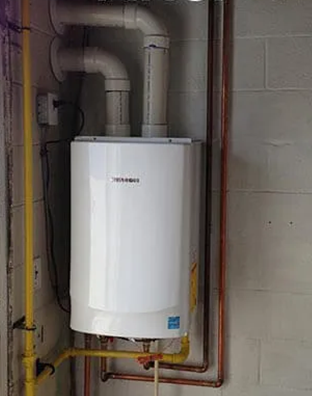
Tankless water heaters can be a great investment depending on your specific needs and circumstances. Here’s a breakdown of the pros and cons to help you decide:
Pros:
- Energy Efficiency:
- Heat water on demand, reducing energy waste.
- No standby heat loss compared to traditional tank systems.
- Can reduce energy bills by 25-35% for homes using less than 41 gallons of hot water daily.
- Unlimited Hot Water:
- Delivers hot water continuously, making it ideal for large families or high-demand situations.
- Longevity:
- Lasts 20+ years with proper maintenance, compared to 8-12 years for tank heaters.
- Space-Saving Design:
- Compact units can be mounted on walls, freeing up space.
- Environmental Benefits:
- Uses less energy and has lower greenhouse gas emissions.
- Rebates and Incentives:
- Many areas offer tax credits or rebates for energy-efficient upgrades.
Cons:
- Higher Initial Cost:
- Purchase and installation are more expensive than traditional tank heaters.
- Installation costs can be significant if upgrades to electrical or gas lines are needed.
- Output Limitations:
- May struggle to supply hot water for multiple simultaneous uses (e.g., showering and doing laundry).
- Proper sizing is critical to avoid running out of hot water.
- Longer ROI (Return on Investment):
- Savings on energy bills may take several years to offset the higher upfront cost.
- Maintenance Requirements:
- Hard water can cause scaling, requiring regular descaling and filter replacements.
When Are They Worth It?
- If your home has high hot water usage and you want energy efficiency.
- If you’re planning to stay in your home for the long term to maximize ROI.
- If space is limited or you’re upgrading to a more modern system.
- If energy costs in your area are high or you qualify for rebates.
If you prefer lower upfront costs and have consistent hot water needs, a traditional tank water heater might suit you better. However, for eco-conscious, space-saving, and long-term energy savings, a tankless water heater can be a smart choice!